Leather sofas have long been a symbol of luxury, durability, and style in home decor. As a leather sofa supplier, I often encounter customers who are concerned about allergies and are curious to know if leather sofas are hypoallergenic. In this blog post, I will delve into the science behind leather and its potential to be hypoallergenic, exploring the factors that contribute to its allergy – friendly nature and addressing common misconceptions. Leather Sofa

Understanding Hypoallergenic Materials
Before we discuss whether leather sofas are hypoallergenic, it’s important to understand what "hypoallergenic" means. A hypoallergenic material is one that is less likely to cause an allergic reaction. Allergies are the body’s immune system response to foreign substances, such as dust mites, pollen, pet dander, and certain chemicals. Hypoallergenic materials typically have properties that make them resistant to the accumulation of these allergens or are made from substances that are less likely to trigger an immune response.
The Composition of Leather and Its Hypoallergenic Qualities
Leather is a natural material made from the hides of animals, most commonly cows. The tanning process, which converts raw hides into leather, involves treating the hides with various chemicals to preserve them and give them the desired properties. During the tanning process, many of the proteins and substances that could potentially cause allergies are removed.
One of the key reasons leather is considered hypoallergenic is its smooth surface. Unlike fabric sofas, which can trap dust, dirt, and allergens within their fibers, leather has a non – porous surface. This means that dust and other allergens are less likely to adhere to the leather and are easier to clean. A simple wipe with a damp cloth can remove most of the surface dust and debris, reducing the risk of allergic reactions.
In addition, leather is resistant to mold and mildew. Mold and mildew are common allergens that can grow in damp environments, especially on fabric materials. Leather’s natural resistance to moisture helps prevent the growth of these allergens, making it a better choice for people with mold or mildew allergies.
Factors Affecting the Hypoallergenicity of Leather Sofas
While leather is generally considered hypoallergenic, there are some factors that can affect its allergy – friendly properties.
1. Tanning Process
The tanning process plays a crucial role in determining the hypoallergenicity of leather. There are two main types of tanning: vegetable tanning and chrome tanning. Vegetable – tanned leather is tanned using natural plant extracts, which are generally less likely to cause allergic reactions. Chrome – tanned leather, on the other hand, uses chromium salts in the tanning process. While chrome – tanned leather is more common and has many desirable properties, some people may be allergic to the chromium salts used. As a leather sofa supplier, we offer a range of tanned leathers to cater to different customer needs, including vegetable – tanned options for those with sensitivities.
2. Leather Finish
The finish applied to the leather can also affect its hypoallergenicity. Some finishes may contain chemicals or additives that could potentially cause allergic reactions. For example, some leather finishes may have a high VOC (volatile organic compound) content, which can release harmful fumes and trigger allergies. At our company, we ensure that the leather finishes we use are low in VOCs and free from common allergens.
3. Quality of Leather
The quality of the leather used in the sofa also matters. High – quality leather is less likely to have defects or impurities that could cause allergic reactions. Inferior quality leather may have more exposed pores or may not be properly tanned, increasing the risk of allergen accumulation. We source our leather from reputable suppliers and conduct strict quality control measures to ensure that our sofas are made from the highest – quality leather.
Comparing Leather Sofas with Fabric Sofas in Terms of Allergies
When it comes to allergies, leather sofas have several advantages over fabric sofas.
1. Dust and Allergen Accumulation
Fabric sofas are more prone to dust and allergen accumulation. The fibers in fabric can trap dust mites, pollen, and pet dander, which can be difficult to remove even with regular vacuuming. In contrast, leather sofas have a smooth surface that makes it easier to clean and less likely for allergens to stick.
2. Cleaning and Maintenance
Cleaning a leather sofa is relatively straightforward. As mentioned earlier, a simple wipe with a damp cloth can keep the leather clean. Fabric sofas, on the other hand, may require more intensive cleaning methods, such as steam cleaning, which can be time – consuming and may not always be effective in removing all allergens.
3. Pet – Related Allergies
For households with pets, leather sofas are a better choice. Pet hair is less likely to stick to leather, and it can be easily removed with a lint roller or a vacuum cleaner. Fabric sofas can hold onto pet hair and dander, which can be a major source of allergies for some people.
Addressing Common Misconceptions
There are some common misconceptions about leather sofas and allergies. One of the most common is that leather is always hypoallergenic. As we have discussed, while leather has many hypoallergenic qualities, it is not completely allergen – free. Some people may be allergic to the leather itself, especially if they have a sensitivity to certain proteins or chemicals used in the tanning process.
Another misconception is that all leather sofas are the same in terms of hypoallergenicity. As we have seen, factors such as the tanning process, finish, and quality of the leather can all affect its allergy – friendly properties. It’s important for consumers to do their research and choose a leather sofa that is suitable for their specific needs.
Conclusion
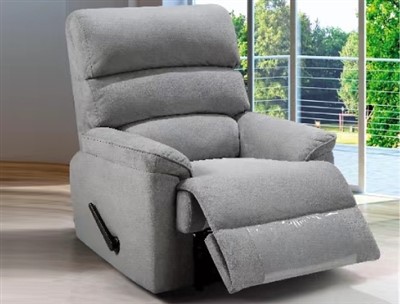
In conclusion, leather sofas can be a great choice for people with allergies. Their smooth surface, resistance to mold and mildew, and ease of cleaning make them less likely to accumulate allergens compared to fabric sofas. However, it’s important to consider factors such as the tanning process, leather finish, and quality of the leather when choosing a leather sofa.
Sofa Bed As a leather sofa supplier, we are committed to providing high – quality, hypoallergenic leather sofas that meet the needs of our customers. If you are interested in purchasing a leather sofa and have questions about its hypoallergenic properties, or if you would like to discuss your specific requirements, please feel free to contact us. We are here to help you find the perfect leather sofa for your home.
References
- "The Science of Leather Tanning" – Leather Science Journal
- "Allergies and Home Furnishings" – Journal of Allergy and Clinical Immunology
- "Comparative Study of Leather and Fabric Sofas in Terms of Allergen Accumulation" – Furniture Research Institute
Shenzhen PG Century Technology Co., Ltd
As one of the leading leather sofa manufacturers and suppliers in China, we warmly welcome you to wholesale custom made leather sofa from our factory. For OEM&ODM service, contact us now.
Address: 13rd,No.1 road of Shuitian ,Tongle area,Longgang Distirct,Shenzhen,China
E-mail: sales1@sjpgsofa.com
WebSite: https://www.sjpgsofa.com/
