As a supplier of 128 Cavity PET Preform Moulds, I often get asked about the minimum operating temperature of these molds. This is a crucial question as the temperature significantly impacts the quality of the preforms and the efficiency of the production process. In this blog, I’ll delve into the factors that determine the minimum operating temperature and provide some insights based on our experience in the industry. 128 Cavity PET Preform Mould

Understanding the Basics of PET Preform Molding
Before we discuss the minimum operating temperature, it’s important to understand the PET preform molding process. PET, or polyethylene terephthalate, is a thermoplastic polymer commonly used in the production of plastic bottles and containers. The preform molding process involves injecting molten PET into a mold cavity to form a preform, which is then blown into the final shape.
The temperature of the mold plays a vital role in this process. It affects the flow of the molten PET, the cooling rate of the preform, and the overall quality of the final product. If the mold temperature is too low, the PET may not flow properly, resulting in incomplete filling of the cavity, poor surface finish, and other defects. On the other hand, if the temperature is too high, it can lead to excessive shrinkage, warping, and even degradation of the PET material.
Factors Affecting the Minimum Operating Temperature
Several factors influence the minimum operating temperature of a 128 Cavity PET Preform Mould. Let’s take a closer look at each of these factors:
1. PET Material Properties
The type and grade of PET used in the preform molding process can have a significant impact on the minimum operating temperature. Different PET materials have different melting points and flow characteristics, which determine the temperature at which they can be effectively processed. For example, some high-performance PET grades may require a higher minimum operating temperature to ensure proper flow and filling of the mold cavity.
2. Mold Design and Construction
The design and construction of the mold also play a crucial role in determining the minimum operating temperature. A well-designed mold with proper cooling channels can help maintain a consistent temperature throughout the molding process, allowing for lower operating temperatures. On the other hand, a poorly designed mold may have hot spots or uneven cooling, which can require higher temperatures to compensate.
3. Injection Molding Machine Parameters
The parameters of the injection molding machine, such as the injection speed, pressure, and temperature, can also affect the minimum operating temperature of the mold. For example, a higher injection speed may require a higher temperature to ensure proper flow of the molten PET. Similarly, a higher injection pressure may require a lower temperature to prevent overfilling of the cavity.
4. Production Environment
The production environment, including the ambient temperature and humidity, can also impact the minimum operating temperature of the mold. In a cold environment, the mold may need to be heated to a higher temperature to compensate for the heat loss. Similarly, in a humid environment, the mold may need to be kept at a higher temperature to prevent condensation.
Determining the Minimum Operating Temperature
Based on our experience, the minimum operating temperature of a 128 Cavity PET Preform Mould typically ranges from 100°C to 120°C. However, this can vary depending on the factors mentioned above. To determine the optimal minimum operating temperature for your specific application, it’s important to conduct a thorough analysis of the PET material, mold design, injection molding machine parameters, and production environment.
Here are some steps you can take to determine the minimum operating temperature:
1. Consult with the PET Material Supplier
The PET material supplier can provide valuable information about the recommended processing temperature range for their specific grade of PET. This can serve as a starting point for determining the minimum operating temperature of the mold.
2. Conduct Mold Testing
Before starting full-scale production, it’s important to conduct mold testing to determine the optimal operating temperature. This can involve running a series of test shots at different temperatures and evaluating the quality of the preforms. Based on the results of the testing, you can adjust the operating temperature to achieve the best possible results.
3. Monitor and Adjust the Temperature
Once production has started, it’s important to monitor the temperature of the mold and make adjustments as needed. This can involve using temperature sensors and controllers to maintain a consistent temperature throughout the molding process. If the temperature deviates from the optimal range, it’s important to take corrective action to prevent quality issues.
Benefits of Operating at the Minimum Temperature
Operating the 128 Cavity PET Preform Mould at the minimum temperature can offer several benefits, including:
1. Energy Savings
Lower operating temperatures require less energy to heat the mold, resulting in significant energy savings over time. This can help reduce production costs and improve the overall efficiency of the manufacturing process.
2. Improved Product Quality
Operating at the minimum temperature can help reduce the risk of defects such as warping, shrinkage, and surface blemishes. This can result in higher-quality preforms that meet or exceed customer expectations.
3. Longer Mold Life
Lower operating temperatures can help reduce the wear and tear on the mold, resulting in a longer mold life. This can help reduce maintenance costs and improve the overall reliability of the manufacturing process.
Conclusion
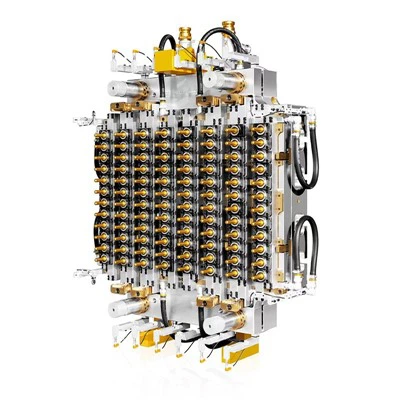
In conclusion, the minimum operating temperature of a 128 Cavity PET Preform Mould is determined by several factors, including the PET material properties, mold design, injection molding machine parameters, and production environment. By understanding these factors and conducting a thorough analysis, you can determine the optimal minimum operating temperature for your specific application. Operating at the minimum temperature can offer several benefits, including energy savings, improved product quality, and longer mold life.
96 Cavities PET Preform Mould If you’re interested in learning more about our 128 Cavity PET Preform Moulds or have any questions about the minimum operating temperature, please don’t hesitate to contact us. We’d be happy to discuss your specific needs and provide you with a customized solution.
References
- "Plastic Injection Molding Handbook" by Dominick V. Rosato, Donald V. Rosato, and Michael G. Rosato
- "PET Preform Molding: A Practical Guide" by John W. Campbell
- "Injection Molding of Thermoplastics Materials" by James F. Carley
SZ-MOLDTECH (Jiaxing) Co., Ltd.
We are among the most professional manufacturers and suppliers of high-speed multi-cavity PET preform molds in China, offering comprehensive customized solutions. We welcome you to source high-quality, high-speed multi-cavity PET preform molds manufactured in China directly from our facility.The performance of SZ-MOLDTECH products is on par with that of their international counterparts. Compared to brands such as HUSKY and MHT, our molds maintain superior performance while providing a distinct cost-performance advantage.
Address: Building 6, Phase II, International Innovation Park, Jiaxing Advanced Manufacturing Industrial Base, No. 1188 Fenghua Road, Economic and Technological Development Zone, Jiaxing City, Zhejiang Province, China
E-mail: info@sz-moldtech.com
WebSite: https://www.sz-moldtech.com/
