As a seasoned supplier in the plastic container mould industry, I’ve witnessed firsthand the pivotal role that an optimized mould structure plays in the manufacturing process. An efficiently designed plastic container mould not only enhances the quality of the final product but also significantly improves production efficiency and reduces costs. In this blog post, I’ll share some key strategies and considerations on how to optimize the structure of a plastic container mould. Plastic Container Mould

Understanding the Basics of Plastic Container Mould Structure
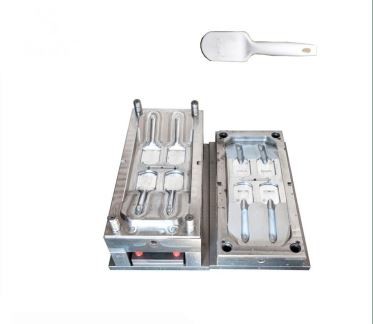
Before delving into optimization techniques, it’s essential to have a solid understanding of the basic components of a plastic container mould. A typical plastic container mould consists of several key parts, including the cavity, core, cooling system, ejection system, and runner system.
The cavity is the part of the mould that forms the outer shape of the plastic container, while the core creates the inner shape. The cooling system is responsible for removing heat from the molten plastic to solidify it quickly and uniformly. The ejection system ejects the finished plastic container from the mould after it has solidified, and the runner system delivers the molten plastic from the injection machine to the cavity.
Design Considerations for Optimal Mould Structure
Wall Thickness
One of the most critical factors in mould design is the wall thickness of the plastic container. Uniform wall thickness ensures consistent cooling and prevents defects such as warping, sink marks, and stress concentrations. When designing the mould, it’s important to maintain a consistent wall thickness throughout the container. However, in some cases, it may be necessary to vary the wall thickness to accommodate specific design requirements or to improve the structural integrity of the container.
Draft Angles
Draft angles are essential for the easy ejection of the plastic container from the mould. A draft angle is a slight taper on the vertical surfaces of the mould cavity and core, allowing the container to be released smoothly without damaging the mould or the product. The recommended draft angle for plastic containers typically ranges from 0.5° to 2°, depending on the type of plastic material and the complexity of the container design.
Rib and Boss Design
Ribs and bosses are commonly used in plastic container design to enhance the structural strength and rigidity of the container. Ribs are thin, vertical or horizontal structures that are added to the walls of the container, while bosses are small cylindrical or conical protrusions used to provide mounting points or reinforcement. When designing ribs and bosses, it’s important to ensure that they are of an appropriate size and shape to avoid issues such as sink marks and warping.
Gate Location and Design
The gate is the point where the molten plastic enters the mould cavity. The location and design of the gate have a significant impact on the filling pattern, flow behavior, and quality of the final product. When selecting the gate location, it’s important to consider factors such as the size and shape of the container, the type of plastic material, and the injection molding process. Common gate types include sprue gates, edge gates, pin gates, and submarine gates, each with its own advantages and disadvantages.
Optimizing the Cooling System
The cooling system is one of the most critical components of a plastic container mould, as it directly affects the cycle time, part quality, and dimensional accuracy of the final product. An efficient cooling system can significantly reduce the cooling time, increase production efficiency, and improve the overall quality of the plastic container.
Cooling Channel Layout
The layout of the cooling channels is crucial for achieving uniform cooling throughout the mould. The cooling channels should be designed to follow the shape of the cavity and core as closely as possible, ensuring that the molten plastic is cooled evenly. In addition, the cooling channels should be located at a sufficient distance from the cavity surface to prevent overcooling and the formation of surface defects.
Cooling Channel Diameter and Spacing
The diameter and spacing of the cooling channels also play an important role in the cooling efficiency of the mould. The cooling channel diameter should be selected based on the size and shape of the mould, as well as the type of cooling medium used. Generally, larger diameter cooling channels provide better cooling performance, but they also require more space and may increase the cost of the mould. The spacing between the cooling channels should be uniform to ensure consistent cooling.
Cooling Medium
The choice of cooling medium also affects the cooling efficiency of the mould. Water is the most commonly used cooling medium due to its high heat transfer coefficient and low cost. However, in some cases, other cooling media such as oil or coolant may be used, depending on the specific requirements of the moulding process.
Improving the Ejection System
The ejection system is responsible for removing the finished plastic container from the mould after it has solidified. A well-designed ejection system is essential for ensuring the smooth and efficient ejection of the container without causing any damage to the product or the mould.
Ejection Method
There are several types of ejection methods commonly used in plastic container moulds, including ejector pins, ejector sleeves, stripper plates, and air ejection. The choice of ejection method depends on the size, shape, and complexity of the container, as well as the type of plastic material. Ejector pins are the most commonly used ejection method due to their simplicity and reliability.
Ejection Force Calculation
Calculating the ejection force is crucial for designing an effective ejection system. The ejection force depends on several factors, including the size and shape of the container, the type of plastic material, the surface finish of the mould, and the draft angle. By accurately calculating the ejection force, the appropriate number and size of ejector pins or other ejection components can be determined.
Ejection System Lubrication
Proper lubrication of the ejection system is essential for reducing friction and wear, ensuring smooth operation, and preventing damage to the mould and the product. Lubricants can be applied to the ejection components, such as ejector pins and sleeves, to reduce the friction between the components and the mould.
Optimizing the Runner System
The runner system is responsible for delivering the molten plastic from the injection machine to the mould cavity. An optimized runner system can reduce material waste, improve the filling pattern, and enhance the quality of the final product.
Runner Type
There are several types of runner systems commonly used in plastic container moulds, including cold runners and hot runners. Cold runners are the most traditional type of runner system, where the molten plastic cools and solidifies in the runner channels after each injection cycle. Hot runners, on the other hand, keep the molten plastic in a molten state throughout the injection process, eliminating the need for runner removal and reducing material waste.
Runner Size and Shape
The size and shape of the runner channels have a significant impact on the flow behavior of the molten plastic. The runner diameter should be selected based on the size and shape of the container, the type of plastic material, and the injection molding process. A larger runner diameter generally provides better flow characteristics, but it also increases the amount of material waste. The shape of the runner channels should be designed to minimize pressure drop and ensure uniform filling of the mould cavity.
Regular Maintenance and Inspection
Regular maintenance and inspection are essential for ensuring the long-term performance and reliability of the plastic container mould. By inspecting the mould regularly, any potential issues can be identified and addressed before they cause significant problems.
Cleaning
Regular cleaning of the mould is essential for removing any dirt, debris, or plastic residue that may accumulate on the surface of the mould. Cleaning can be done using a variety of methods, including mechanical cleaning, chemical cleaning, and ultrasonic cleaning.
Lubrication
Proper lubrication of the moving parts of the mould, such as the ejection system and the slide mechanisms, is essential for reducing friction and wear, ensuring smooth operation, and preventing damage to the mould.
Inspection
Regular inspection of the mould is essential for identifying any signs of wear, damage, or deformation. Inspection can be done using visual inspection, dimensional measurement, and non-destructive testing methods such as ultrasonic testing and X-ray inspection.
In conclusion, optimizing the structure of a plastic container mould is a complex process that requires a thorough understanding of the moulding process, the plastic material, and the specific requirements of the product. By following the strategies and considerations outlined in this blog post, you can improve the quality of the final product, increase production efficiency, and reduce costs. If you’re in the market for high-quality plastic container moulds or have any questions about mould optimization, please don’t hesitate to contact me for a consultation and to discuss your specific needs.
Garden Machinery Mould References
- Osswald, T. A., & Turng, L. -S. (2006). Injection Molding Handbook. Hanser Publishers.
- Beaumont, J. P. (2008). Beaumont Technical Publishing: Mold Design and Engineering of Injection Molded Parts.
- Throne, J. L. (1996). Plastics Mold Engineering Handbook. Marcel Dekker.
AOJIE Mould
As one of the leading plastic container mould manufacturers and suppliers in China, we warmly welcome you to buy high quality plastic container mould made in China here from our factory. For customized service, contact us now.
Address: No452, Xinjiang Road, Xinqian Street, Huangyan, Taizhou, Zhejiang, China
E-mail: sam@ajmould.com
WebSite: https://www.ajmold.com/
