Hey there! I’m a supplier of Distribution Automation Terminals, and I’ve been in this game for quite a while. Today, I wanna chat about what kind of impact these terminals have on power grid reliability. Distribution Automation Terminals

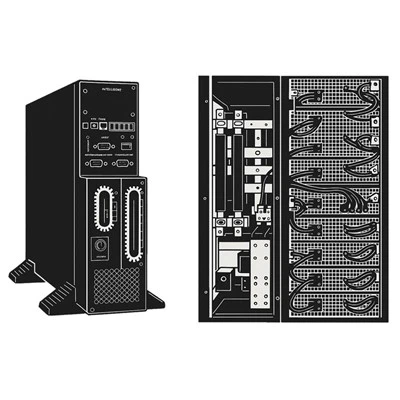
First off, let’s understand what Distribution Automation Terminals are. They’re basically devices that help in automating the distribution system of the power grid. They can monitor, control, and protect different parts of the grid, like transformers, switches, and feeders. These terminals are like the eyes and ears of the power grid, constantly collecting data and making sure everything is running smoothly.
One of the biggest impacts of Distribution Automation Terminals on power grid reliability is in fault detection and isolation. In a traditional power grid, when a fault occurs, it can take a long time for the operators to figure out where the problem is. But with these terminals, they can quickly detect the fault and isolate it. For example, if there’s a short – circuit in a particular feeder, the terminal can sense the abnormal current and voltage levels. It then sends a signal to the control center, and the system can automatically isolate the faulty section. This means that the power supply to the unaffected areas can be maintained, reducing the overall outage time.
Let me give you an example. I remember a project we did in a small town. Before we installed our Distribution Automation Terminals, the power outages were quite frequent. When a fault occurred, it could take hours for the repair crew to find the problem because they had to physically check each section of the grid. After we installed the terminals, the situation changed completely. The terminals detected faults in real – time, and the faulty sections were isolated within minutes. The outage time was reduced by more than 80%, which was a huge win for the local residents and the power company.
Another important aspect is the ability to optimize the power flow. Distribution Automation Terminals can collect data on the load, voltage, and current at different points in the grid. Based on this data, they can adjust the operation of the grid components. For instance, if a particular feeder is overloaded, the terminal can re – route the power to other feeders. This not only helps in preventing equipment failures but also ensures that the power is distributed more efficiently.
Moreover, these terminals can perform self – healing functions. In case of a minor fault, the system can automatically reconfigure itself to restore the power supply. For example, if a switch fails, the terminal can use other available switches to re – establish the power flow. This self – healing feature is a game – changer for power grid reliability. It reduces the need for manual intervention and speeds up the recovery process.
Now, let’s talk about the long – term benefits. By improving the reliability of the power grid, Distribution Automation Terminals can also reduce the maintenance costs. Since the system can detect faults early, preventive maintenance can be carried out. This means that the equipment can be repaired or replaced before it fails completely, saving a lot of money in the long run.
But it’s not all smooth sailing. There are some challenges in implementing these terminals. One of the main challenges is the integration with the existing power grid infrastructure. The grid is a complex system, and adding new terminals requires careful planning and coordination. There may also be issues with data communication between the terminals and the control center. Sometimes, the data can be corrupted or lost, which can affect the performance of the system.
Another challenge is the cost. Installing Distribution Automation Terminals can be expensive, especially for small power companies. However, the long – term benefits in terms of improved reliability and reduced maintenance costs usually outweigh the initial investment.
In addition, there’s the issue of cybersecurity. As these terminals are connected to the grid and communicate with the control center, they are vulnerable to cyber – attacks. Hackers could potentially disrupt the power supply or gain access to sensitive data. So, it’s crucial to have proper security measures in place to protect these terminals.
Despite these challenges, the overall impact of Distribution Automation Terminals on power grid reliability is extremely positive. They have the potential to revolutionize the way we manage and operate the power grid.
If you’re in the power industry and looking to improve the reliability of your power grid, I highly recommend considering Distribution Automation Terminals. As a supplier, I’ve seen firsthand how these devices can make a huge difference. Whether you’re a large utility company or a small local power provider, these terminals can help you provide a more reliable power supply to your customers.
If you’re interested in learning more about our Distribution Automation Terminals or have any questions, feel free to reach out. We can have a detailed discussion about your specific needs and how our products can fit into your power grid system. Let’s work together to make your power grid more reliable and efficient!
Prefabricated Substations References:
- "Power System Distribution Automation" by some well – known power engineering experts.
- Industry reports on power grid reliability and automation.
New Concept Electric Co., Ltd.
We’re well-known as one of the leading distribution automation terminals manufacturers and suppliers in China. Welcome to buy bulk distribution automation terminals for sale here and get pricelist from our factory. Customized orders are welcomed.
Address: No.7 Gu Jin Road, Yangzhou, Jiangsu Province, China.
E-mail: why261682313@gmail.com
WebSite: https://www.ivoltsolutions.com/
