Hey there! I’m a supplier of Pulling Azimuth Thrusters, and today I wanna chat about how these nifty devices can impact a vessel’s stern thruster operation. Pulling Azimuth Thruster

First off, let’s get a basic understanding of what a Pulling Azimuth Thruster is. It’s a type of propulsion system that can rotate 360 degrees, which gives it a whole lot of flexibility when it comes to moving a vessel. Unlike some traditional thrusters, the Pulling Azimuth Thruster pulls the water towards it, which can have some unique effects on how the stern thruster works.
One of the big ways a Pulling Azimuth Thruster affects the stern thruster operation is in terms of maneuverability. When you’ve got a Pulling Azimuth Thruster on board, it can provide additional thrust and control in different directions. This means that the stern thruster doesn’t have to work as hard to perform certain maneuvers. For example, when you’re trying to turn the vessel, the Pulling Azimuth Thruster can assist by providing lateral thrust. This takes some of the load off the stern thruster, allowing it to focus on other tasks or operate more efficiently.
Let’s say you’re in a tight harbor and you need to make a sharp turn. The Pulling Azimuth Thruster can be adjusted to provide the necessary force to help the vessel pivot. Meanwhile, the stern thruster can be used to fine – tune the movement and keep the vessel stable. This combination of forces can make the whole turning process a lot smoother and quicker.
Another aspect is the impact on the vessel’s stability. The Pulling Azimuth Thruster can change the way the water flows around the stern of the vessel. When it’s pulling water towards it, it can create a different hydrodynamic environment. This can either enhance or disrupt the operation of the stern thruster. In some cases, the Pulling Azimuth Thruster can create a more stable flow of water, which can improve the performance of the stern thruster. For instance, it can reduce the turbulence around the stern, allowing the stern thruster to operate more effectively.
However, there can also be some challenges. If the Pulling Azimuth Thruster is not properly configured or if it’s operating at the wrong angle, it can create interference with the stern thruster. This might cause the stern thruster to experience reduced efficiency or even cause some unwanted vibrations. For example, if the Pulling Azimuth Thruster is pulling water in a way that disrupts the flow pattern around the stern thruster, it can lead to a decrease in thrust output.
The power consumption is also an important factor. When the Pulling Azimuth Thruster is working in conjunction with the stern thruster, it can potentially reduce the overall power consumption of the vessel. Since the Pulling Azimuth Thruster can take on some of the load, the stern thruster doesn’t need to use as much power to achieve the same level of maneuverability. This can lead to cost savings in the long run, as less fuel is being used.
But we also need to consider the maintenance aspect. The interaction between the Pulling Azimuth Thruster and the stern thruster can affect the wear and tear on both systems. If they’re working well together, the wear on the stern thruster can be reduced. However, if there’s a problem with the interaction, it can cause excessive wear on either the Pulling Azimuth Thruster or the stern thruster. For example, if there’s a misalignment between the two, it can put extra stress on the components, leading to more frequent maintenance requirements.
Now, let’s talk about how to optimize the operation of the Pulling Azimuth Thruster and the stern thruster. First of all, proper installation is key. The Pulling Azimuth Thruster needs to be installed in the right position and at the correct angle to ensure that it works well with the stern thruster. This might require some calculations and testing to get it just right.
Secondly, regular monitoring is essential. You need to keep an eye on how the two systems are working together. Check for any signs of reduced efficiency, vibrations, or abnormal wear. If you notice any issues, you can make adjustments to the operation of the Pulling Azimuth Thruster or the stern thruster.
Training the crew is also important. They need to understand how the Pulling Azimuth Thruster and the stern thruster work together and how to operate them effectively. This can help prevent any mistakes that could lead to problems with the vessel’s maneuverability.
In conclusion, a Pulling Azimuth Thruster can have a significant impact on the vessel’s stern thruster operation. It can improve maneuverability, stability, and power efficiency, but it also comes with some challenges that need to be managed. If you’re in the market for a Pulling Azimuth Thruster, it’s important to understand these effects and how to optimize the operation of both systems.
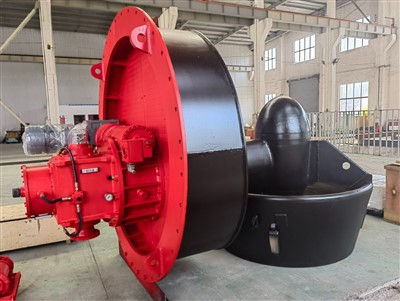
If you’re interested in learning more about our Pulling Azimuth Thrusters and how they can enhance your vessel’s performance, feel free to reach out to us. We’re always happy to have a chat and discuss how our products can meet your needs.
Retractable Azimuth Thruster References:
- Marine Propulsion Systems Handbook
- Journal of Naval Architecture and Marine Engineering
Dutch Thrustleader Marine Propulsion(Jiangsu) Co., Ltd.
We’re professional pulling azimuth thruster manufacturers and suppliers in China, specialized in providing high quality OEM service. We warmly welcome you to wholesale pulling azimuth thruster at competitive price from our factory.
Address: No.57 Xiangrong Road, Urban Industrial Park, Taixing City
E-mail: anna@thrusterleader.com
WebSite: https://www.thrusterleader.net/
