Compressed Natural Gas (CNG) has emerged as a popular alternative fuel due to its environmental benefits and cost – effectiveness. As a CNG fueling station supplier, I’ve witnessed the growth of this industry and understand the allure that CNG holds for many vehicle owners and fleet operators. However, like any technology, there are potential drawbacks associated with using a CNG fueling station. In this blog, I will delve into these issues to provide a balanced perspective for those considering CNG as a fuel option. CNG Fueling Station
High Initial Investment
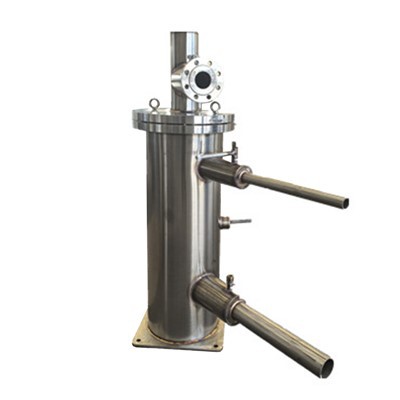
One of the most significant drawbacks of CNG fueling stations is the high initial investment required. Building a CNG fueling station involves multiple components, including compressors, storage tanks, dispensers, and safety systems. These components need to meet strict safety and regulatory standards, which drives up the cost. For instance, the compressors used to compress natural gas to high pressures are complex and expensive pieces of equipment. The storage tanks also need to be designed and built to withstand high pressures, adding to the overall cost.
In addition to the equipment costs, there are also costs associated with land acquisition, permits, and installation. The land needs to be properly zoned for a fueling station, and obtaining the necessary permits can be a time – consuming and costly process. This high initial investment can be a major deterrent for small businesses or individual entrepreneurs looking to enter the CNG fueling market. It also means that the cost of CNG at the pump may be higher initially as the station owner tries to recoup their investment.
Limited Availability
Another drawback is the limited availability of CNG fueling stations. Compared to traditional gasoline or diesel stations, the number of CNG fueling stations is relatively small. This can be a significant problem for drivers, especially those who need to travel long distances. If a driver runs out of CNG and there is no nearby fueling station, they may be left stranded.
The limited availability is also a challenge for fleet operators. Fleet vehicles often have set routes, and if there are no CNG fueling stations along those routes, it becomes difficult to switch to CNG. This lack of infrastructure can slow down the adoption of CNG as a mainstream fuel, as potential users are hesitant to invest in CNG – powered vehicles without the assurance of a reliable refueling network.
Safety Concerns
Safety is a paramount concern when it comes to CNG fueling stations. Natural gas is a flammable substance, and if not handled properly, it can pose a significant risk of fire or explosion. CNG fueling stations need to have strict safety protocols in place to prevent leaks and ensure that the gas is handled safely.
The high – pressure storage tanks used in CNG fueling stations are also a potential safety hazard. If a tank were to rupture or leak, it could release a large amount of natural gas into the environment, which could lead to a fire or explosion. To mitigate these risks, CNG fueling stations are equipped with safety valves, pressure sensors, and other safety devices. However, these safety systems need to be regularly maintained and inspected to ensure their effectiveness.
Longer Refueling Time
Refueling a CNG – powered vehicle takes longer than refueling a gasoline or diesel vehicle. This is because CNG needs to be compressed to a high pressure before it can be dispensed into the vehicle’s fuel tank. The compression process is time – consuming, and as a result, the refueling time can be two to three times longer than that of a traditional fueling station.
For individual drivers, this longer refueling time can be inconvenient, especially if they are in a hurry. For fleet operators, it can also be a problem as it reduces the amount of time that vehicles can be on the road. This can lead to decreased productivity and increased operating costs.
Vehicle Compatibility
Not all vehicles are compatible with CNG. Converting a gasoline or diesel vehicle to run on CNG can be a complex and expensive process. It requires the installation of a CNG fuel system, which includes a storage tank, fuel lines, and a conversion kit. The conversion process needs to be done by a qualified technician to ensure that the vehicle is safe and operates properly.
Even if a vehicle is converted to run on CNG, it may have reduced performance compared to its gasoline or diesel counterpart. CNG has a lower energy density than gasoline or diesel, which means that a CNG – powered vehicle may have less power and a shorter driving range. This can be a drawback for drivers who need a high – performance vehicle or who need to travel long distances.
Maintenance Requirements
CNG fueling stations require regular maintenance to ensure their safe and efficient operation. The compressors, storage tanks, and dispensers need to be inspected and maintained on a regular basis. This includes checking for leaks, ensuring proper pressure levels, and replacing worn – out parts.
The maintenance of CNG – powered vehicles also has its own challenges. The CNG fuel system needs to be regularly inspected and maintained to prevent leaks and ensure proper operation. This can add to the overall cost of owning a CNG – powered vehicle.
Market Volatility
The price of natural gas can be volatile, which can affect the cost of CNG at the pump. Natural gas prices are influenced by a variety of factors, including supply and demand, weather conditions, and geopolitical events. When the price of natural gas increases, the cost of CNG at the fueling station also tends to increase.
This market volatility can make it difficult for station owners to set a stable price for CNG. It can also be a concern for vehicle owners, as they may not be able to predict the cost of refueling their vehicles. This uncertainty can make CNG a less attractive option for some consumers.
Regulatory Challenges
CNG fueling stations are subject to a variety of regulations at the local, state, and federal levels. These regulations cover everything from safety standards to environmental requirements. Complying with these regulations can be a complex and time – consuming process.
For example, CNG fueling stations need to meet strict emissions standards to ensure that they do not contribute to air pollution. They also need to have proper safety measures in place to protect the public and the environment. Failure to comply with these regulations can result in fines, penalties, and even the closure of the fueling station.
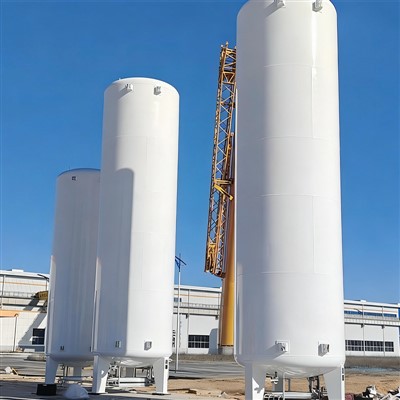
Despite these potential drawbacks, CNG still has many advantages, such as its lower emissions and cost – effectiveness. At our company, we are committed to providing high – quality CNG fueling stations that address these challenges. Our stations are designed with the latest safety features and are built to meet all regulatory requirements. We also offer comprehensive maintenance services to ensure the long – term reliability of our stations.
Hydrogen Fueling Station If you are considering investing in a CNG fueling station or are looking to convert your fleet to CNG, we invite you to contact us for a detailed discussion. Our team of experts can provide you with the information and support you need to make an informed decision. We look forward to working with you to overcome the challenges and embrace the benefits of CNG.
References
- International Association for Natural Gas Vehicles (IANGV). (2023). Compressed Natural Gas (CNG) Technology Overview.
- U.S. Department of Energy. (2023). Alternative Fuels Data Center: Compressed Natural Gas (CNG).
- National Fire Protection Association (NFPA). (2023). NFPA 52: Compressed Natural Gas (CNG) Vehicular Fuel Systems Code.
Tianjin Baiyan Technology Co., Ltd.
With abundant experience, we are one of the most professional cng fueling station manufacturers and suppliers in China. We warmly welcome you to buy customized cng fueling station made in China here from our factory. If you have any enquiry about pricelist and quotation, please feel free to email us.
Address: No. 36, Jixian Road, Shuangqiaohe Development Zone, Jinnan District, Tianjin, China
E-mail: sales@tjbaiyan.com
WebSite: https://www.baiyan-tech.com/
