Can toroidal inductors be used in aerospace applications?
In the dynamic and highly specialized field of aerospace engineering, the choice of electronic components is critical. Every component must meet stringent requirements for performance, reliability, and durability. Among these components, inductors play a vital role in various aerospace systems. As a toroidal inductor supplier, I am often asked whether toroidal inductors are suitable for aerospace applications. In this blog, I will explore the characteristics of toroidal inductors and their potential applications in the aerospace industry, highlighting their advantages and challenges. Toroidal Inductor
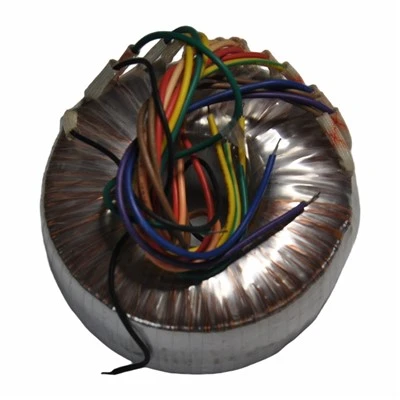
Understanding Toroidal Inductors
Toroidal inductors are a type of inductor where the wire is wound around a toroidal (doughnut-shaped) core. This design offers several unique electrical and mechanical properties. The closed-loop structure of the toroid reduces electromagnetic interference (EMI) because the magnetic field is largely confined within the core. This makes toroidal inductors more efficient in terms of energy transfer compared to other inductor types, such as solenoidal inductors, which have an open magnetic – field structure.
Toroidal inductors also have a high inductance per turn, meaning that they can achieve a relatively high inductance value with fewer turns of wire. This results in lower resistance and less power loss, which is highly desirable in many electrical applications. Additionally, the compact size of toroidal inductors allows for more efficient use of space, which is a crucial factor in aerospace design where weight and volume are at a premium.
Advantages of Toroidal Inductors in Aerospace Applications
1. EMI Reduction
In aerospace electronics, EMI is a major concern. Uncontrolled EMI can cause malfunctions in sensitive avionics systems, including communication equipment, navigation sensors, and flight control computers. The low EMI characteristics of toroidal inductors make them an excellent choice for use in these systems. By minimizing the emission of electromagnetic fields, toroidal inductors help to ensure the reliable operation of nearby electronic components, reducing the risk of interference – related failures.
2. High Efficiency
Aerospace systems often operate on limited power sources, such as batteries or solar panels. Therefore, energy efficiency is of utmost importance. Toroidal inductors’ high inductance per turn and low resistance translate into lower power losses. This increased efficiency not only conserves power but also generates less heat, which is beneficial in an environment where heat dissipation can be challenging due to the limited availability of cooling systems.
3. Compact Size and Weight
Space and weight constraints are among the most significant challenges in aerospace design. Toroidal inductors’ compact size allows them to be integrated into tight spaces within an aircraft or spacecraft. Their relatively low weight also contributes to overall weight reduction, which can improve fuel efficiency for aircraft and extend the mission life of satellites by reducing the amount of propellant required for orbital maneuvers.
Potential Applications in Aerospace
1. Power Supply Systems
Toroidal inductors are commonly used in aerospace power supply systems. They are employed in DC – DC converters, which are used to step up or step down the voltage of the power source to the appropriate level for different electronic components. In satellite power systems, for example, DC – DC converters are essential for regulating the power output from solar panels and distributing it to various subsystems. Toroidal inductors’ high efficiency and low EMI properties make them well – suited for these applications, ensuring stable and reliable power delivery.
2. Communication Systems
Aerospace communication systems require high – performance electronic components to operate effectively in the harsh space environment. Toroidal inductors can be used in radio frequency (RF) circuits, such as filters and amplifiers, to improve signal quality and reduce interference. In satellite communication systems, where the quality of the transmitted and received signals is crucial, toroidal inductors can significantly enhance the performance of the communication equipment.
3. Navigation and Guidance Systems
Navigation and guidance systems in aerospace rely on accurate sensors and precise control algorithms. Toroidal inductors can be used in the power supply and signal conditioning circuits of these systems. Their low EMI characteristics ensure that the sensors are not affected by electromagnetic interference, which could lead to inaccurate readings. Additionally, their high efficiency helps to reduce power consumption, which is important for maintaining the long – term operation of the navigation and guidance systems.
Challenges and Considerations
While toroidal inductors offer many advantages for aerospace applications, there are also some challenges and considerations that need to be addressed.
1. Manufacturing Complexity
The manufacturing process of toroidal inductors is more complex compared to other types of inductors. Winding the wire around the toroidal core requires specialized equipment and skilled operators, which can increase the production cost. In aerospace applications, where high – quality and reliable components are essential, ensuring consistent manufacturing quality is crucial.
2. Temperature and Radiation Resistance
The aerospace environment is characterized by extreme temperatures and high levels of radiation. Toroidal inductors need to be able to withstand these harsh conditions without significant degradation in performance. Special materials and manufacturing techniques may be required to improve the temperature and radiation resistance of the inductors. For example, using high – temperature – resistant core materials and radiation – hardened insulation can help to ensure the long – term reliability of toroidal inductors in space.
3. Cost
The combination of manufacturing complexity and the need for high – performance materials can make toroidal inductors relatively expensive compared to other inductor types. In aerospace applications, cost is always a consideration, especially for large – scale projects. However, the long – term benefits of using toroidal inductors, such as improved reliability and efficiency, may outweigh the initial cost.
Conclusion
In conclusion, toroidal inductors have significant potential for use in aerospace applications. Their advantages, including EMI reduction, high efficiency, and compact size, make them well – suited for a variety of aerospace systems, such as power supply, communication, and navigation systems. However, challenges such as manufacturing complexity, temperature and radiation resistance, and cost need to be carefully considered.
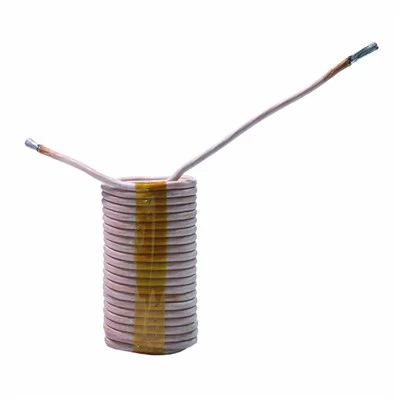
As a toroidal inductor supplier, we are committed to providing high – quality toroidal inductors that meet the strict requirements of the aerospace industry. Our team of experts has extensive experience in designing and manufacturing toroidal inductors for challenging applications. We use the latest technologies and high – performance materials to ensure the reliability and performance of our products.
Power Transformer If you are involved in an aerospace project and are considering using toroidal inductors, we would be delighted to discuss your specific requirements. Our technical support team can provide you with detailed information on our products and help you select the most suitable toroidal inductors for your application. Contact us to start a conversation about how our toroidal inductors can enhance your aerospace systems.
References
- Palmetto, F. (2018). Handbook of Aerospace Electronics and Avionics. CRC Press.
- Grover, F. W. (1946). Inductance Calculations: Working Formulas and Tables. Dover Publications.
- Montrose, M. I. (2000). Printed Circuit Board Design Techniques for EMC Compliance: A Handbook for Designers. Wiley – Interscience.
Dongguan Hensiron Electric Co., Ltd.
As one of the most professional toroidal inductor suppliers in China, we have world-leading production equipment and strong manufacturing capabilities. Please feel free to buy high quality toroidal inductor made in China here from our factory. Customized orders are welcome.
Address: Building 4, Xinxing Industrial Zone, Wangao Road, Wanjiang Street, Dongguan City, China
E-mail: jessica@dghensiron.com
WebSite: https://www.dghensiron.com/
