As a seasoned supplier in the baked pastries industry, I’ve encountered numerous inquiries from bakers, pastry enthusiasts, and even everyday consumers about the possibility of using olive oil in baked pastries. This question isn’t just about substituting one ingredient for another; it delves into the science of baking, the impact on flavor profiles, and the overall quality of the end product. In this blog post, I’ll share my insights, experiences, and research findings to shed light on whether olive oil can be a viable option for your baked pastries. Baked Pastries
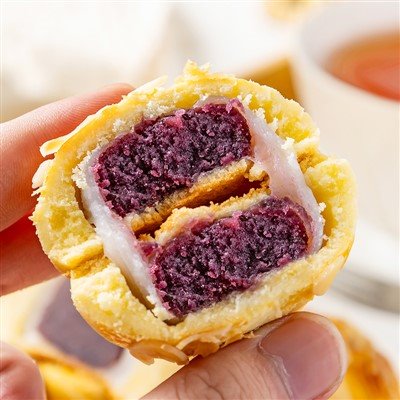
Understanding the Role of Fats in Baked Pastries
Before we dive into the specifics of olive oil, it’s essential to understand the role of fats in baking. Fats play a crucial role in the texture, flavor, and shelf life of baked pastries. They act as lubricants, preventing the gluten in flour from forming long, tough strands, resulting in a tender and flaky texture. Fats also contribute to the flavor of baked goods, adding richness and depth. Additionally, they help to retain moisture, keeping the pastries fresh and soft for longer.
Traditionally, butter and shortening have been the go-to fats for baking. Butter, with its rich flavor and ability to create a tender, flaky crust, is a favorite among bakers. Shortening, on the other hand, has a higher melting point than butter, making it ideal for creating a crispy, flaky texture. However, in recent years, there has been a growing interest in using healthier alternatives to these traditional fats, and olive oil has emerged as a popular choice.
The Benefits of Using Olive Oil in Baked Pastries
Olive oil offers several benefits when used in baked pastries. Firstly, it is a healthier alternative to butter and shortening. Olive oil is rich in monounsaturated fats, which are known to be heart-healthy. These fats can help to lower cholesterol levels, reduce the risk of heart disease, and improve overall cardiovascular health. Using olive oil in your baked pastries allows you to offer a healthier option to your customers without sacrificing flavor or quality.
Secondly, olive oil has a unique flavor profile that can add a distinctive taste to your baked pastries. Unlike butter, which has a rich, creamy flavor, olive oil has a fruity, slightly peppery taste that can enhance the overall flavor of your pastries. This flavor can be particularly appealing in certain types of baked goods, such as olive oil cakes, where the olive oil flavor is a key feature.
Thirdly, olive oil has a higher smoke point than butter, which means it can withstand higher temperatures without burning. This makes it suitable for baking at higher temperatures, resulting in a more evenly baked pastry with a golden brown crust. Additionally, olive oil has a longer shelf life than butter, which can help to reduce waste and improve the profitability of your baked pastries business.
Considerations When Using Olive Oil in Baked Pastries
While olive oil offers several benefits when used in baked pastries, there are also some considerations to keep in mind. Firstly, the flavor of olive oil can be quite strong, especially in extra-virgin olive oil. This strong flavor may not be suitable for all types of baked pastries, particularly those with a delicate flavor profile. If you’re using olive oil in a recipe that calls for a milder flavor, such as a vanilla cake or a buttery croissant, you may want to consider using a lighter, more neutral olive oil or reducing the amount of olive oil used.
Secondly, olive oil has a different texture than butter and shortening. It is a liquid fat, which means it can make the dough or batter more moist and sticky. This can make it more difficult to work with, especially when rolling out the dough or shaping the pastries. To compensate for this, you may need to adjust the amount of flour used in the recipe or add a little extra flour to the work surface when rolling out the dough.
Thirdly, olive oil can affect the texture of the baked pastries. Because it is a liquid fat, it can result in a more moist and tender texture than butter or shortening. This can be desirable in some types of baked pastries, such as cakes and muffins, but it may not be suitable for others, such as pie crusts and puff pastry. If you’re using olive oil in a recipe that calls for a flaky, crispy crust, you may need to experiment with different techniques or ingredients to achieve the desired texture.
Tips for Using Olive Oil in Baked Pastries
If you’re interested in using olive oil in your baked pastries, here are some tips to help you get started:
- Choose the right type of olive oil: There are several different types of olive oil available, each with its own flavor profile and characteristics. For baking, it’s best to use a light, mild olive oil, such as a refined olive oil or a light olive oil. These types of olive oil have a more neutral flavor and are less likely to overpower the other ingredients in the recipe.
- Adjust the amount of oil used: Because olive oil is a liquid fat, you may need to adjust the amount of oil used in the recipe. As a general rule of thumb, you can substitute olive oil for butter or shortening on a one-to-one basis. However, you may need to reduce the amount of oil slightly if the recipe calls for a large amount of fat.
- Combine olive oil with other fats: If you’re not sure how olive oil will affect the flavor or texture of your baked pastries, you can try combining it with other fats, such as butter or shortening. This can help to balance the flavor and texture of the pastries and give you a better idea of how olive oil works in the recipe.
- Experiment with different recipes: The best way to learn how to use olive oil in baked pastries is to experiment with different recipes. Start with simple recipes, such as olive oil cakes or muffins, and gradually work your way up to more complex recipes, such as pie crusts and puff pastry. Don’t be afraid to make adjustments to the recipe based on your personal taste and preferences.
Conclusion
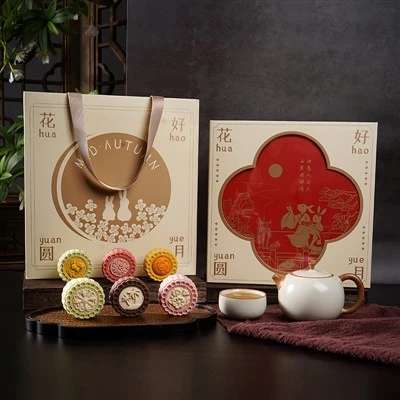
In conclusion, olive oil can be a viable option for using in baked pastries. It offers several benefits, including being a healthier alternative to butter and shortening, having a unique flavor profile, and having a higher smoke point. However, there are also some considerations to keep in mind, such as the strong flavor of olive oil, its different texture, and its potential impact on the texture of the baked pastries. By following the tips and guidelines outlined in this blog post, you can successfully use olive oil in your baked pastries and create delicious, healthy treats that your customers will love.
Baked Pastries If you’re a baker, pastry chef, or business owner interested in incorporating olive oil into your baked pastries, I’d love to discuss how we can work together. Our company is a leading supplier of high-quality baked pastries and ingredients, and we’re committed to providing our customers with the best products and services. Contact us today to learn more about our products and to start a conversation about how we can help you take your baked pastries to the next level.
References
- McGee, H. (2004). On Food and Cooking: The Science and Lore of the Kitchen. Scribner.
- Hamelman, P. (2004). Bread: A Baker’s Book of Techniques and Recipes. Wiley.
- Beranbaum, R. (1998). The Cake Bible. William Morrow & Company.
Fujian Luchen Food Co., Ltd.
As one of the most professional baked pastries manufacturers and suppliers in China since 1986, our products have good reputation in the market. Please feel free to wholesale bulk delicious baked pastries from our factory. Good service and quality products are available.
Address: No. 19, Shangxipulou, Nansheng Town, Pinghe County, Zhangzhou City, Fujian Province
E-mail: service@xmnahan.com
WebSite: https://www.luchenbakery.com/
